Common Toad
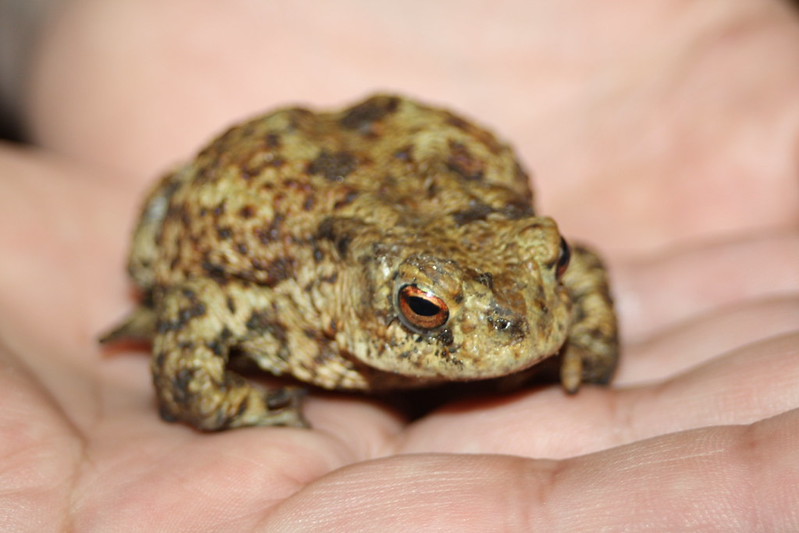
The Common Toad spends much of the year hidden from view, emerging mainly after dark or during damp weather. Although easy to overlook, it is one of the most familiar amphibians in Europe and plays an important role in gardens, woodlands, ponds, and wetlands.
Unlike frogs, Common Toads spend surprisingly little time in water. Adults may live hundreds of metres from their breeding ponds, returning faithfully to the same water each spring.
At a Glance
Scientific name: Bufo bufo
French name: Crapaud commun
Family: Bufonidae
Average size
- Males: 8–10 cm
- Females: 10–15 cm
Lifespan
Up to 12 years in the wild.
How to Recognise One
Look for:
- Dry, warty skin
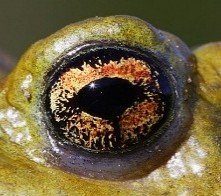
- Copper or orange eyes with horizontal pupils !
- Slow, deliberate movements
- A broad, sturdy body
- Large poison glands behind the eyes (harmless unless disturbed)
Unlike frogs, Common Toads tend to crawl rather than make long leaps.
Where You Might Find Them
Common Toads can be found throughout much of Belgium in:
- Woodland
- Hedgerows
- Damp gardens
- Meadows
- River valleys
- Ponds and small lakes
Outside the breeding season they often spend their days hidden beneath logs, stones, leaf litter, or dense vegetation.
Seasonal Calendar
🌱 Late winter / early spring
Adults migrate to breeding ponds.
🥚 Spring
Long strings of eggs are laid in shallow water.
🐸 Spring to early summer
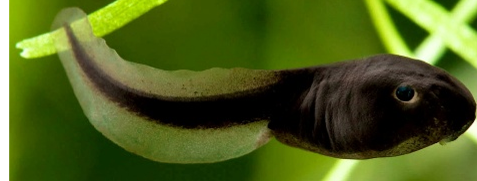
Tiny black tadpoles develop.
🌿 Summer
Young toadlets leave the water.
🍂 Autumn and winter
Adults remain mostly hidden, becoming inactive during cold weather.
-My observations of the Common Toad

Nature Connections
Common Toads help control populations of slugs, snails, beetles, woodlice, and many other invertebrates.
Because their skin is sensitive to pollution and habitat change, healthy amphibian populations are often a good sign of a healthy ecosystem.
A great way to welcome toads to your garden is to create a toad-house out of an old terra cotta pot in a cool, shady corner.
Did You Know?
Unlike frogs, Common Toads don’t need to stay close to water all year.
Many spend months living quietly in forests, parks, or gardens before making an annual journey back to the pond where they were born.
Some travel over a kilometre during this migration.
Field Notes
During the annual amphibian migration, roads can become unexpected barriers. From the end of February through April, if you see the amphibian crossing signs in Belgium, please have the decency to slow down! Even if you don’t squish the toads under your wheels, the air pressure caused by your car rolling over them at more than 30 kph can cause them to suffer a painful death.
If you would live in Wallonia and would like to help save some little lives at the end of winter, you’d be most welcome to join one of the Operation Sauvetage des Batraciens teams which escort thousands of frogs, toads, and salamanders across busy roads to safety.
Try This
Visit a pond on a mild evening in late February or March.
Stand quietly for five minutes.
Can you hear soft croaks?
Can you spot long strings of eggs among the aquatic plants?
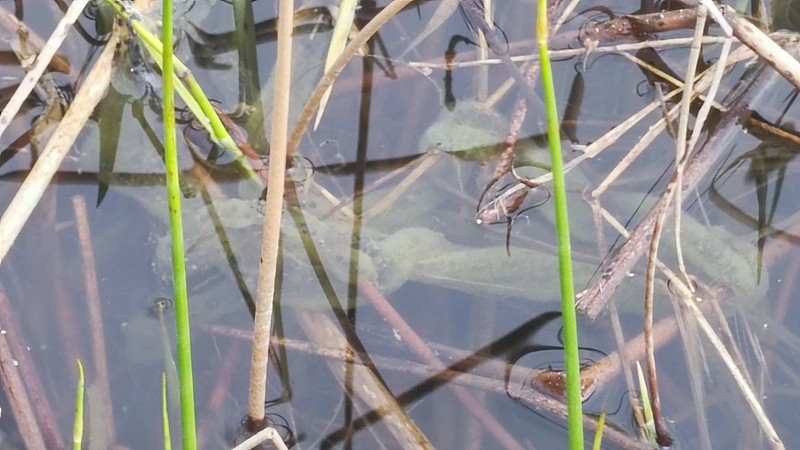
Remember to observe without disturbing the animals or handling them unless you’re participating in an organised conservation effort. Handling them won’t hurt YOU, but the oils, soaps, bacteria, etc. on your hands can be very harmful to their sensitive skin.
Related Activities
- Amphibian Rescue (coming soon)
- Nature Journaling (coming soon)
- Pond Exploration (coming soon)
- Citizen Science (coming soon)
Related Field Notes
- Walk report : Evening walk in Tervuren park